
How to Choose Your Perfect Bathroom Mirror
A well-chosen mirror makes daily routines easier, bounces light around the room and can become a real design feature. From simple frameless mirrors to illuminated designs with demister pads and built-in storage, there is a mirror to suit every bathroom. This guide from HPS Chichester explains the main types of bathroom mirror, the features worth looking for, and how to choose the right size and hanging height.
1. Size and Position
Start with the wall space above your basin or vanity unit. Measure the width and height available, noting any lights, sockets, tiles or shelves that could get in the way, and think about who will use the mirror most.
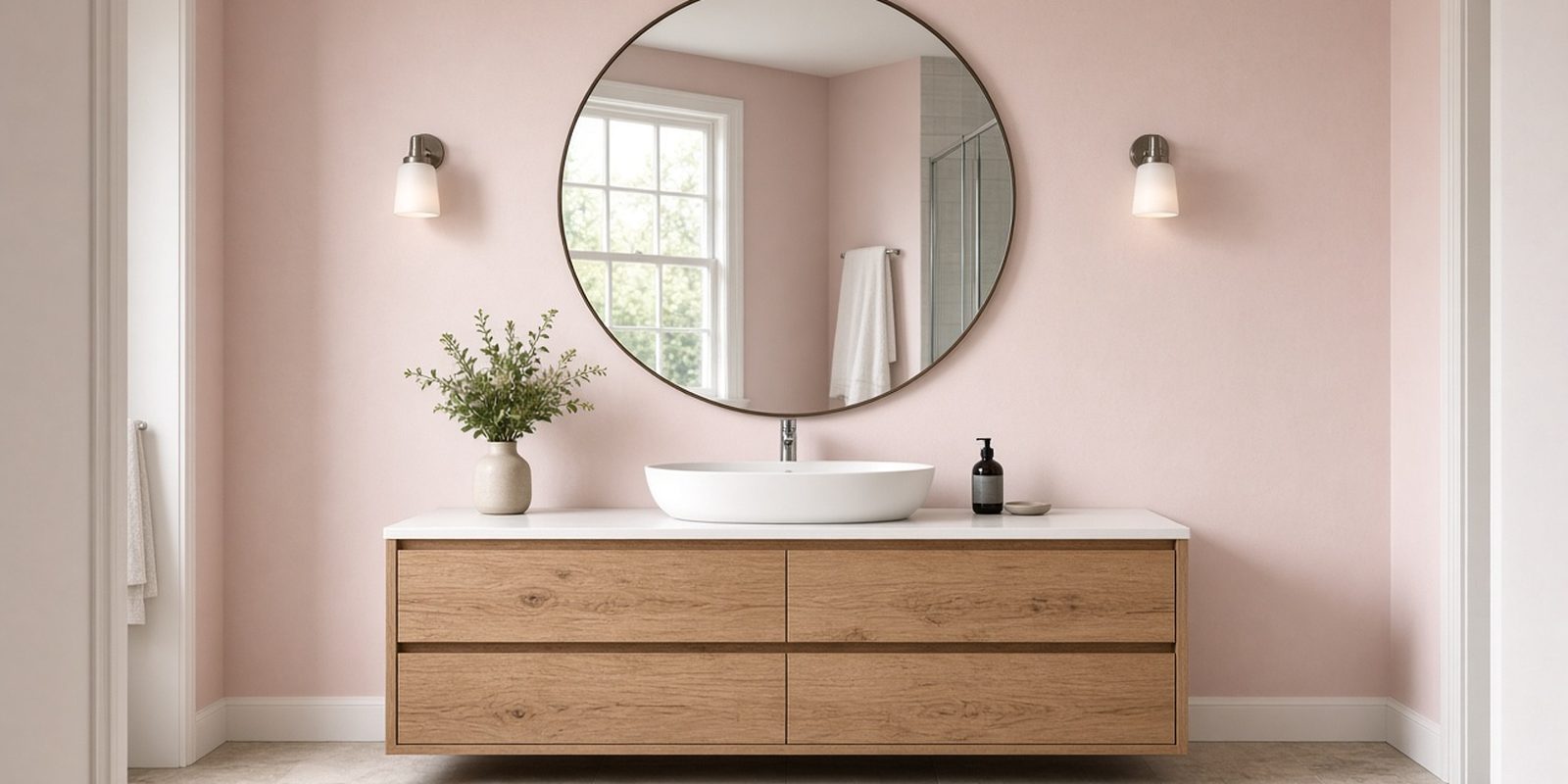
- Width: As a general guide, a mirror looks balanced when it is no wider than the basin or vanity unit below it. Double vanities can take one wide mirror or two matching mirrors.
- Hanging Height: Aim to place the centre of the mirror at a comfortable eye level for the people using it most, leaving a small gap above any tap or splashback.
- Space & Light: Placing a mirror opposite or beside a window can help reflect natural light and make a small bathroom feel larger.
If you are choosing an illuminated mirror, plan its position early so the electrician can provide a suitable supply in the right place.
2. Types of Bathroom Mirror
There are mirror styles to suit every bathroom and every budget:
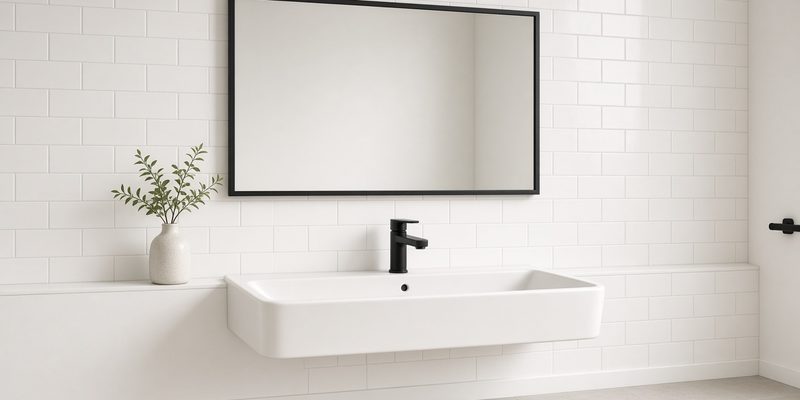
Framed Mirrors
A frame defines the mirror and adds character. Slim metal frames suit modern bathrooms, while wood or decorative frames suit more traditional schemes.
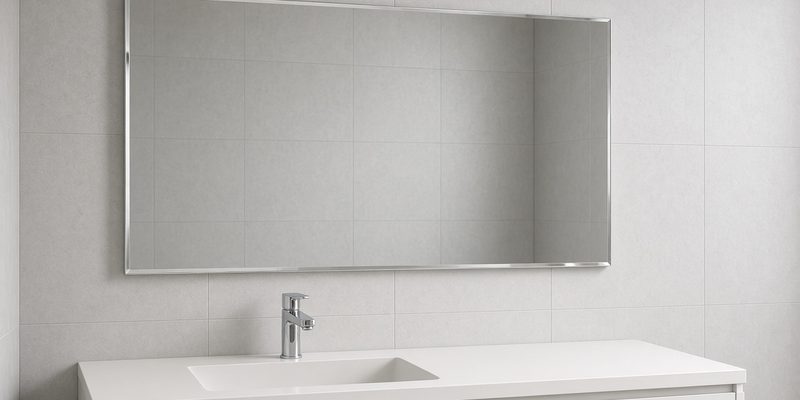
Frameless Mirrors
Frameless mirrors with polished or bevelled edges give a clean, minimal look and work well in contemporary bathrooms.
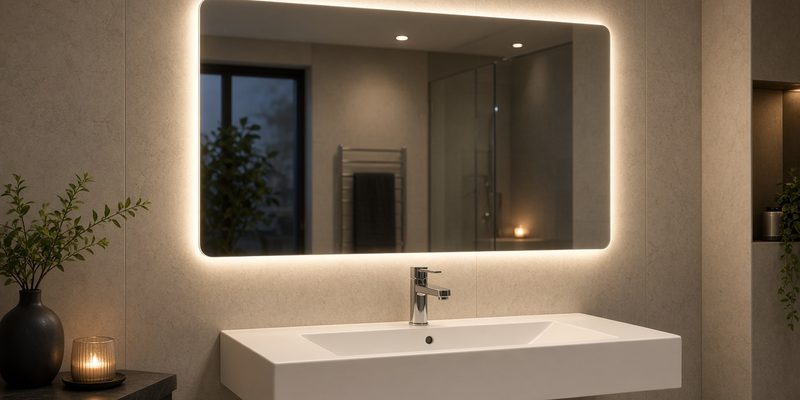
LED Illuminated Mirrors
Illuminated mirrors provide flattering, even task lighting for shaving and make-up. Front-lit and backlit designs are available, and many add features such as demisters and touch controls.
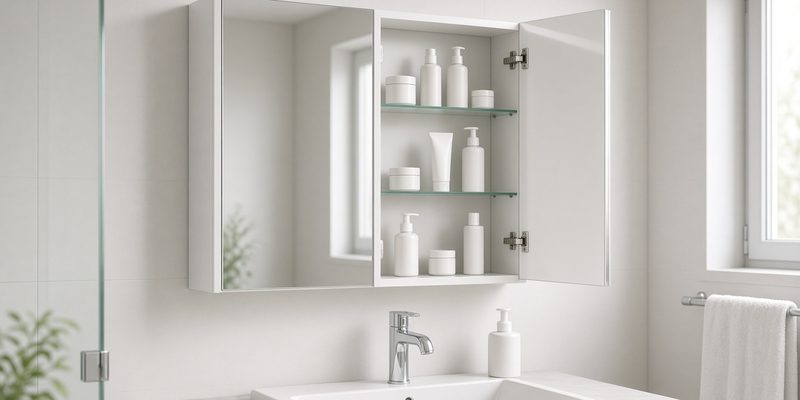
Mirrored Cabinets
A mirrored cabinet combines a mirror with hidden storage for toiletries and medicines, keeping surfaces clear. Some include lighting and internal sockets.
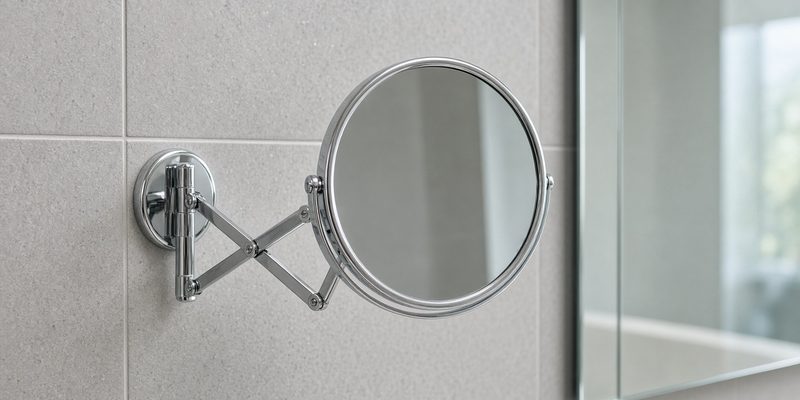
Extendable & Magnifying Mirrors
Wall-mounted extending mirrors with magnification are ideal for close-up tasks and can be folded back against the wall when not in use.
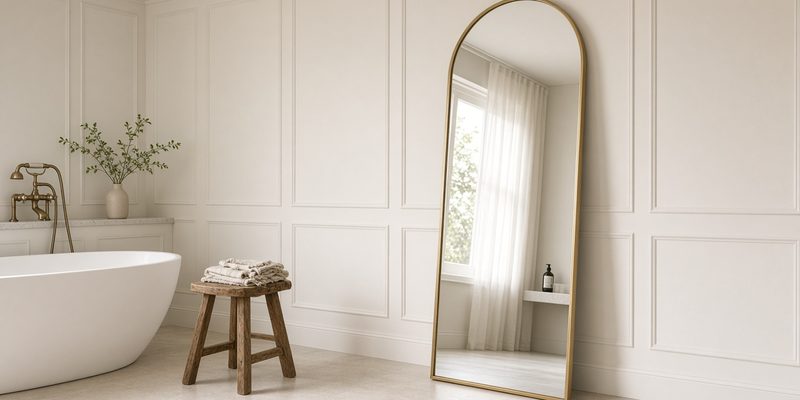
Full-Length Mirrors
In larger bathrooms and en-suites, a full-length mirror is practical for getting ready and makes a striking design feature.
3. Mirror Features and Shapes
Small details can make a big difference to how a mirror looks and performs:
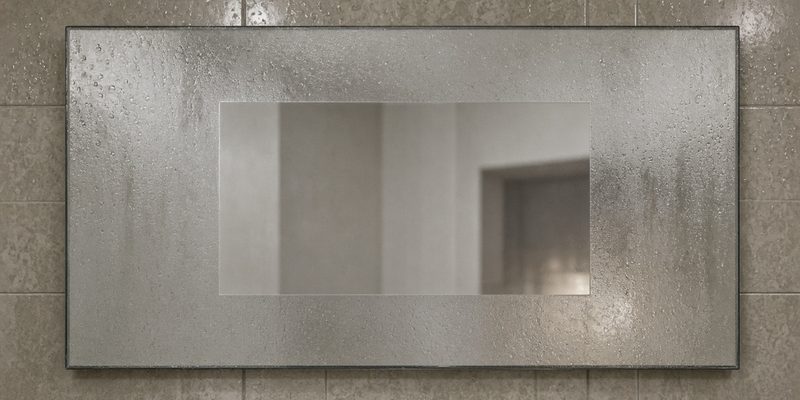
Demister Pads
A demister pad is a heated element behind the glass that keeps part or all of the mirror clear of condensation after a bath or shower.
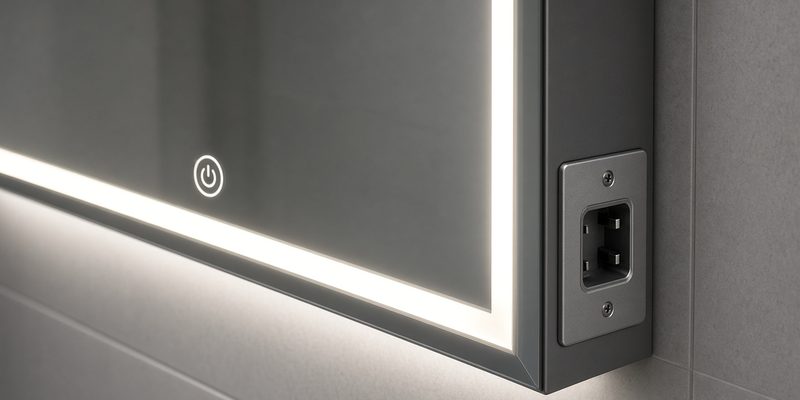
Touch Controls & Shaver Sockets
Many illuminated mirrors include touch or motion sensors to switch the lights on and off, and some include a built-in shaver socket for convenience.
Shapes
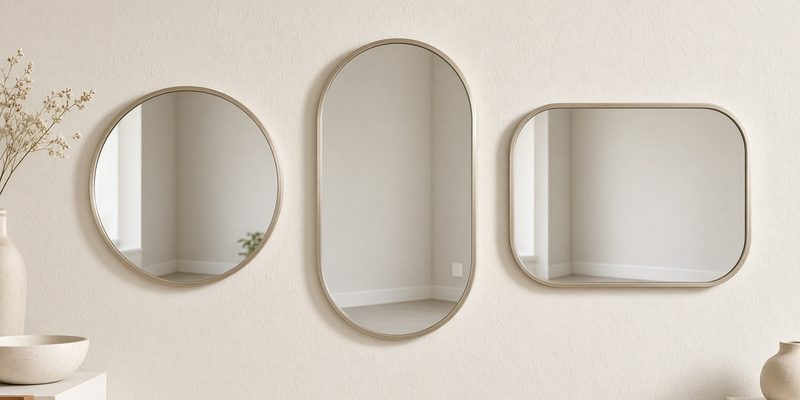
Round, arched, oval, pill-shaped and rectangular mirrors each create a different feel. Curved shapes soften a room full of straight lines.
Light Colour & Ambience
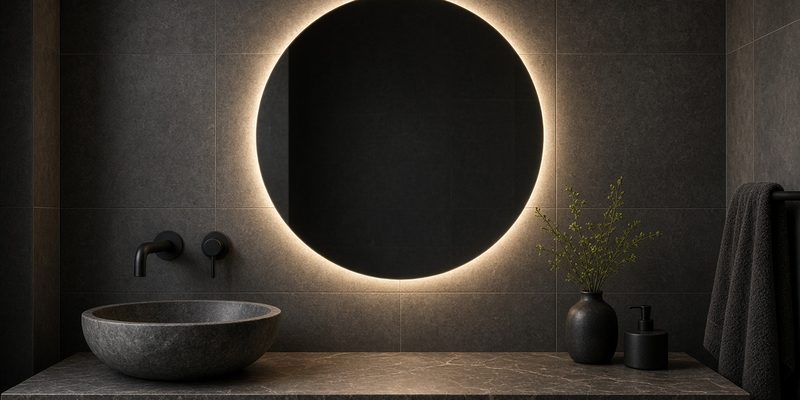
Some illuminated mirrors let you choose warm or cool light, or dim the lighting, so you can switch between bright task light and a softer, relaxing glow.
4. Additional Mirror Considerations
- IP Ratings & Electrics: Illuminated mirrors, demisters and shaver sockets must have a suitable IP rating for their position in the bathroom and should be installed by a qualified electrician in line with current wiring regulations.
- Fixings: Mirrors and mirrored cabinets can be heavy. Use fixings suitable for your wall type and follow the manufacturer’s instructions.
- Coordinating Finishes: Match frame finishes to your taps, accessories and lighting for a cohesive look.
- Storage Needs: If storage is limited, a mirrored cabinet can free up valuable space on your vanity unit.
- Cleaning: Clean mirrors with a soft cloth and a suitable glass cleaner, avoiding harsh chemicals on frames and around electrical parts.
- Accessibility: Consider a taller mirror or one that can be tilted or extended so it can be used comfortably while seated. Our Accessible Bathroom Guide has more ideas.
By choosing the right size, style and features, your mirror can make everyday routines easier while adding the perfect finishing touch to your bathroom.
Visit our bathroom showroom at HPS Chichester, Book a Design Visit, or call us on 01243 785 805.